
Can Dehydration Cause Headaches & Migraines? Here’s What You Should Know
Can dehydration cause headaches? Yes, dehydration can cause headaches and can even contribute to migraines. If the body loses more fluids than it can absorb, the brain can temporarily shrink, causing pain and discomfort. Knowing the link between headaches and hydration results in fewer headaches and improved health.
What Happens To The Body When It Dehydrates?
Dehydration is a deficiency of water in the body that prevents it from functioning normally. This can be due to:
- Excessive sweating
- Hot weather exposure
- Fever or illness
- Vomiting or diarrhea
- Skipping water intake
- Drinking too much caffeine or alcohol
Furthermore, dehydration can disrupt the circulation of blood, salt, and oxygen to the brain. A primary symptom of this condition is headache.
Many people have often asked themselves whether dehydration can lead to a headache after a sudden headache during excessive work hours, exercise, or travel without adequate intake of fluids. The answer is medically supported and widely recognized.
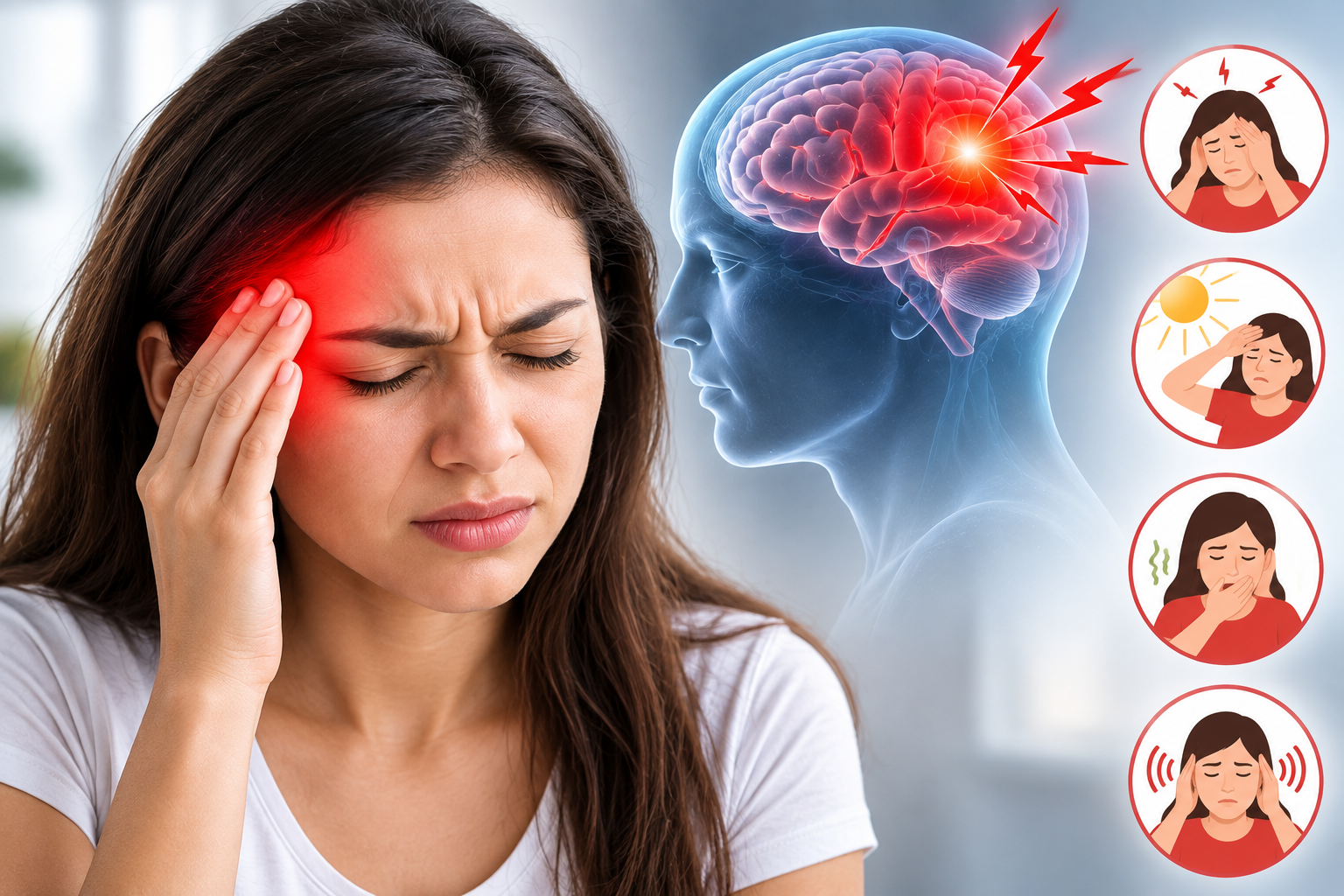
How Dehydration Triggers Headaches
As the body becomes dehydrated, blood volume could drop. This means that less oxygen and nutrients will be supplied to the brain. In turn, brain tissues may contract slightly due to dehydration, putting pressure on nerves and tissues.
This process may lead to:
- Dull aching pain
- Throbbing headaches
- Tension in the forehead area
- Neck stiffness
- Fatigue-related headaches
Some individuals experience flare-ups during standing, walking, or when outside in warm temperatures.
If you often ask, “Can dehydration cause headaches?” note that your symptoms get better when you drink water and rest.
Is Dehydration Another Cause of Migraine?
Yes, dehydration can indeed be a common trigger for some people who experience migraines. People who already suffer from migraines may be more sensitive to fluid imbalance.
The signs and symptoms associated with migraine and dehydration include:
- Severe throbbing pain
- Nausea
- Dizziness
- Blurred vision
- Fatigue
Some individuals may not experience migraines as a direct symptom of dehydration, but may find that a migraine episode is worsened by dehydration.
Staying well-hydrated is often a doctor’s recommendation for migraine prevention.
Signs Your Headache May Be Related To Dehydration
There may be other symptoms in addition to a dehydration headache. Symptoms include:
Dry Mouth and Thirst
- Thirst is an early sign of dehydration.
Dark Yellow Urine
- The colour of urine may indicate your hydration level. Dark urine can indicate that a person is not drinking enough fluids.
Dizziness or Weakness
- When fluid levels are low, it can impact the body’s blood pressure and energy levels.
Headache After Heat Exposure
- Dehydration is a frequent cause of headaches when spending time in the outdoors without adequate hydration.
Reduced Concentration
- Headaches are often accompanied by mental fog and decreased alertness.
When these symptoms occur together, it’s even more likely that dehydration is playing a role in the headache.
How To Prevent Dehydration Headaches
Typically, dehydration-related headaches are easy to prevent with healthy habits.
Drink Water Regularly
- Never wait until you are very thirsty. Drink water regularly during the day.
Increase Fluids during Hot Weather
- In warmer temperatures, more fluid is lost via sweating.
Balance Electrolytes
- If exercising hard or feeling unwell, electrolyte drinks help you stay hydrated.
Reduce Intake of Caffeine and Alcohol
- Both can cause dehydration in certain people.
Eat Water-Rich Foods
- Fruits and vegetables like watermelon, cucumber, and oranges help to keep you hydrated.
Headaches due to dehydration are a common worry, and many people are amazed at the level of comfort and energy they can achieve through adequate hydration.
When To Get A Doctor’s Advice?
Dehydration headaches are typically treatable, but medical help may be required if headaches:
- Get frequent or severe
- Include vomiting or fainting
- Do not improve after hydration
- Are linked to fever or confusion.
- Co-occur with chronic migraine.
Frequent headaches can’t be ignored, particularly if they are affecting a person’s life.
Final Thought
To conclude, if you have ever wondered can dehydration cause headaches. The answer is resounding yes, as it significantly impacts brain function, circulation, and general body balance. Proper hydration is one of the easiest and most effective steps to minimise the risk of headaches and maintain your health.
If you are having regular headaches, migraines, dizziness, or signs of dehydration, it is better to get a medical evaluation early to find the cause.
Experience top medical advice, personalized care, and secure medical help for headaches, migraines, and overall well-being at Kumaran Medical Center.
ALSO CHECK – Reverse the Signs of Aging with Botox at Kumaran Medical Center
